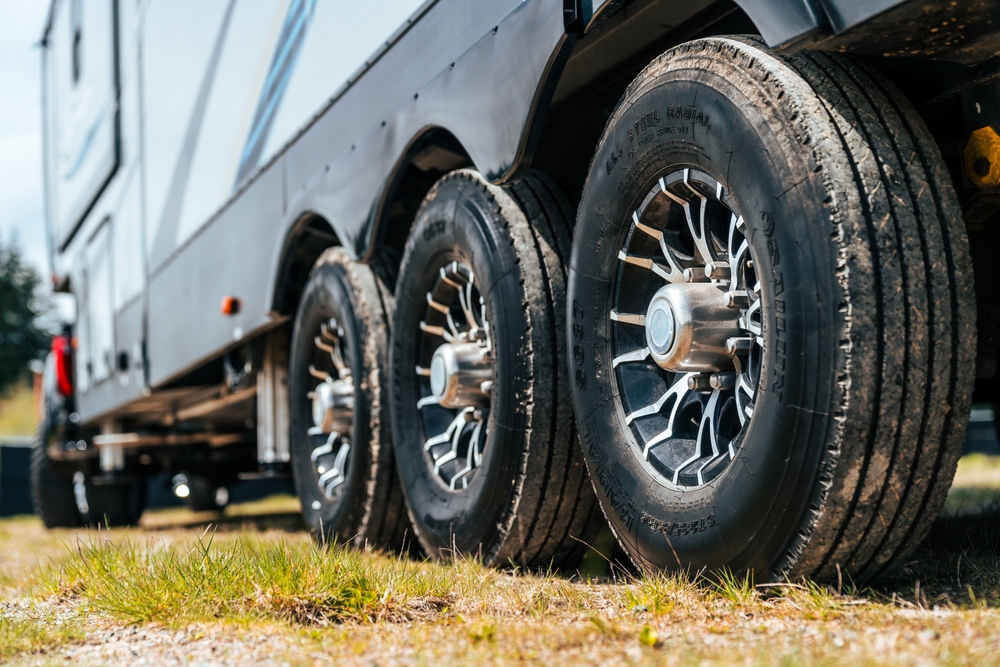
Spring is just around the corner, and it’s time to prepare your RV for those exciting road trips. A key part of that prep? Ensuring your tires are road-ready. RV tire safety isn’t just about avoiding a flat or blowout. It’s about protecting your family, your RV, and your dream getaway.
Why RV Tire Safety Matters
Mesa’s roads can heat up quickly as temperatures rise in spring. Those hot roads, paired with heavy RV loads, can be tough on your tires. Keeping your tires in check will not only prevent accidents but can also save you money on costly repairs or replacements.
What to Check Before Your First Spring Road Trip
You don’t want to risk a blown tire ruining your trip. Here’s how to keep your time on the road smooth, safe, and stress-free.
Check Tire Pressure
Proper pressure is essential for RV tire safety and performance. Under-inflated tires can heat up quickly on Mesa’s hot streets, increasing the chances of a blowout. Over-inflated tires, on the other hand, may wear unevenly and offer less road grip.
Before every trip, use a quality tire pressure gauge to check the pressure on each tire, including the spare. Manufacturers provide recommended pressure information on your RV’s label or user manual. Make sure to follow those guidelines.
If you find any tires are consistently losing pressure, get them inspected. The team at Arizona RV Service’s Service Department can help diagnose and fix the issue.
Inspect Tread Wear
Even if your tire pressure is perfect, worn tread can be dangerous. Less tread means less traction, which is especially risky on slick or uneven roads.
To check your tread, use the penny test. Insert a penny into the grooves with Lincoln’s head facing down. If you can see all of his head, it’s time to replace the tire. Check multiple spots on the tire since wear may not be even. Also, watch for uneven wear patterns. These can signal alignment or suspension issues.
Don’t Ignore Tire Age
Did you know RV tires age out before they wear out? Even if the tread looks fine, tires older than 6-8 years may not be safe. Hot climates like Mesa’s can speed up the aging process, causing cracks and weakening the rubber.
Check the DOT number on the side of your tire to determine its age. The last four digits indicate the week and year the tire was made. If your tires are nearing the end of their lifespan, replace them before hitting the road.
Check Your Wheel Bearings
Wheel bearings allow your RV’s wheels to turn smoothly while also supporting the weight of your RV. However, they can deteriorate over time or get contaminated, especially if your RV has been idle for a while. Make it a habit to check your wheel bearings at least once every year. Taking a little time for this maintenance can save you from other issues down the road, like overheating, uneven tire wear, or even blowouts while you’re out enjoying your travels.
By maintaining your wheel bearings, you minimize friction on some of the most important components of your RV and prevent more expensive damage in the future. In addition to servicing tire blowouts, we provide complete wheel bearing services, including thorough cleaning, repacking, and replacement of old grease.
We’re Here to Help
Whether you need a new tire or wheel bearing pack, Arizona RV Service is ready to guide you through every step.
RV adventures should be fun and stress-free. Proper tire and wheel maintenance ensures you can hit the road with confidence and avoid any springtime surprises. Schedule a service request today.