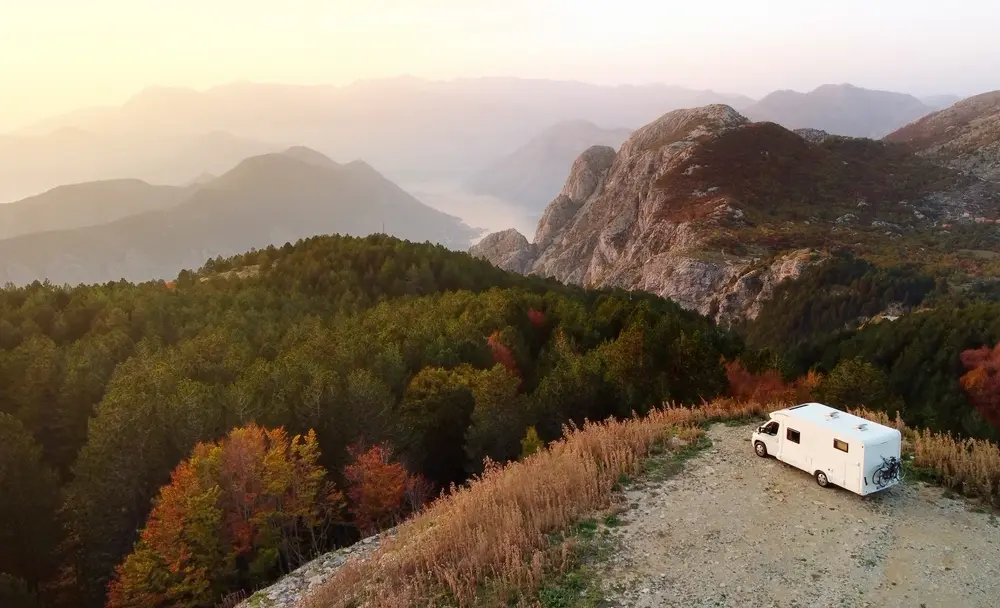
An RV is not a car. It’s a house that we strap to a chassis and then shake violently down the highway for thousands of miles. When you think about it that way, it’s a miracle they hold together as well as they do.
After a long season of travel—basically a rolling earthquake—you can’t just park it and assume everything is fine. The end of summer is the perfect time for a serious RV safety inspection. This can help you find the small problems before they become catastrophic failures on the road.
Let’s Do a Walk-Around: Start with the Rubber
Kneel down by your tires. Don’t just look at the tread—RV tires almost always age out before they wear out. Find the little oval on the sidewall with a four-digit number. That’s the date code. If it’s more than five to seven years old, that tire is living on borrowed time, and a blowout in a rig this size is no joke. While you’re down there, look for uneven wear patterns, which can tell you if your alignment is off.
Now think about your brakes. Do they feel as solid as they did at the start of the season? Is the pedal a little spongy? After holding back tons of weight down mountain passes, your brake fluid can get overheated and tired. This is a critical safety check.
Checking the Vitals: Gas and Juice
Let’s talk about the things that can catch fire. Your LP gas system is a network of connections that get vibrated and jostled all summer. You can do a quick check on the main fittings with soapy water—if you see bubbles, you’ve got a leak. But for real peace of mind, a professional manometer (pressure) test is the only way to be sure there aren’t any tiny, hidden leaks.
Next, your batteries. Pop the hood or open the battery compartment and look for that fuzzy green and white crud on the terminals. That corrosion chokes the life out of your electrical system. If you have lead-acid batteries, check the water levels. And if you have a generator, the best thing you can do for it is to run it under load (with the A/C on) for an hour at least once a month. It keeps the carburetor from getting gummed up with old fuel.
The Most Important Stop: The Roof
Get the ladder. A five-minute roof inspection now can save you from thousands in water damage later. Water is the silent killer of RVs.
Up here, you’re looking at the sealant around every single vent, seam, and skylight. It should look and feel like thick, pliable rubber. If it looks like cracked, chalky, dried-out desert mud, it’s not doing its job anymore. This is probably the single most important piece of post-summer RV maintenance you can do. Scrape off the old stuff and lay a fresh, thick bead of a quality self-leveling sealant.
Need a Professional RV Safety Inspection in Mesa, AZ?
We know RV maintenance can be a lot. It’s your home, and safety isn’t a place to cut corners. If you’ve gone through this list and you’re not 100% confident in what you’re seeing, that’s what we’re here for. An RV safety inspection from a pro provides a second set of expert eyes to ensure nothing gets missed. Give us a call at Arizona RV Service. No pressure. Just a thorough, honest check-up to make sure you’re safe for the road ahead.